
5 Tools That Show You What Happens to Your Content After It Ranks
You researched the keyword. You optimized the headings, the semantic terms, the structure. You published. It ranked. That used to be the finish line.
It isn’t anymore.
Today, ranking on Google is one outcome. The other — and increasingly the one that shapes buying decisions — is whether AI assistants pick up your content and use it when answering questions. When someone asks ChatGPT “best project management tool for remote teams” or Perplexity “how to improve email deliverability,” the AI generates an answer that names specific brands, cites specific pages, and often skips the Google results entirely.
Your content optimization workflow handles everything before and during publication. But once your article is live and ranking, a different set of tools shows you whether that content is earning visibility in AI-generated answers — or whether AI is recommending your competitors using someone else’s content as its source.
Think of it as the next step in the feedback loop: optimize → publish → rank → check if AI noticed.
Where NEURONwriter fits in this workflow
If you’re reading this, you probably already use NEURONwriter to handle the first half of that loop – keyword research, NLP-driven semantic optimization, SERP analysis, content scoring, and AI-assisted writing. NEURONwriter’s AI Visibility feature will also let you monitor specific prompts across AI platforms to see how your optimized content performs in AI answers for the queries you target.
But AI visibility doesn’t stop at the prompts you track. Your brand might be showing up (or missing) across thousands of AI-generated answers you haven’t checked — questions phrased differently, asked in different markets, or triggered by topics adjacent to your core keywords. That’s where the tools below come in. They work alongside NEURONwriter by providing the broader, brand-level intelligence layer: how AI talks about you across entire categories, which competitor content AI trusts most, and where your visibility gaps are at scale.
Think of NEURONwriter as your cockpit for creating and optimizing content that AI wants to cite. These tools are the radar showing you the full airspace.
Here are seven that close the feedback loop.
1. Ahrefs Brand Radar
Best for: Seeing whether your content and brand actually show up in AI answers — across platforms, at scale, without manual prompt setup
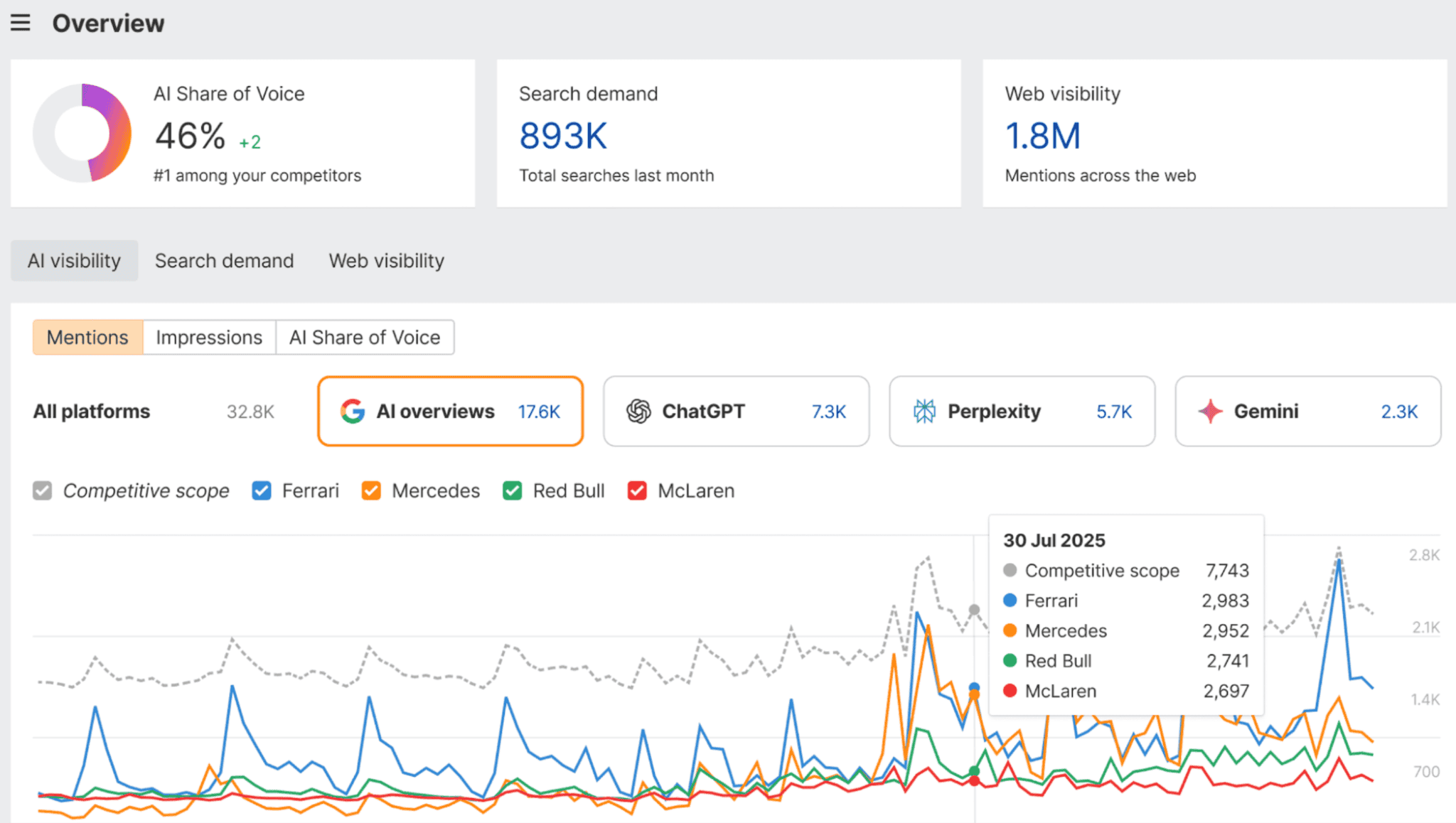
You spend time optimizing content to rank for specific queries. Brand Radar shows you whether AI platforms also surface your brand when people ask those same questions to ChatGPT, Perplexity, Gemini, Copilot, Google AI Overviews, or Google AI Mode.
What makes Ahrefs Brand Radar different from every other tool on this list is that it doesn’t ask you to manually enter prompts. It draws from Ahrefs’ database of over 110 billion keywords, extracts real People Also Ask questions, and runs them through six AI platforms — plus YouTube, TikTok, and Reddit. So instead of guessing which queries to check, you search your brand and instantly see how AI positions you across thousands of questions people actually ask.
For content teams, this changes the feedback loop. You optimize an article for “best CRM for small business” in your content editor. It ranks on page one. But does ChatGPT mention your brand when someone asks the same question? Brand Radar tells you — and if the answer is no, it also shows you which competitor AI recommends instead and which source it cites.
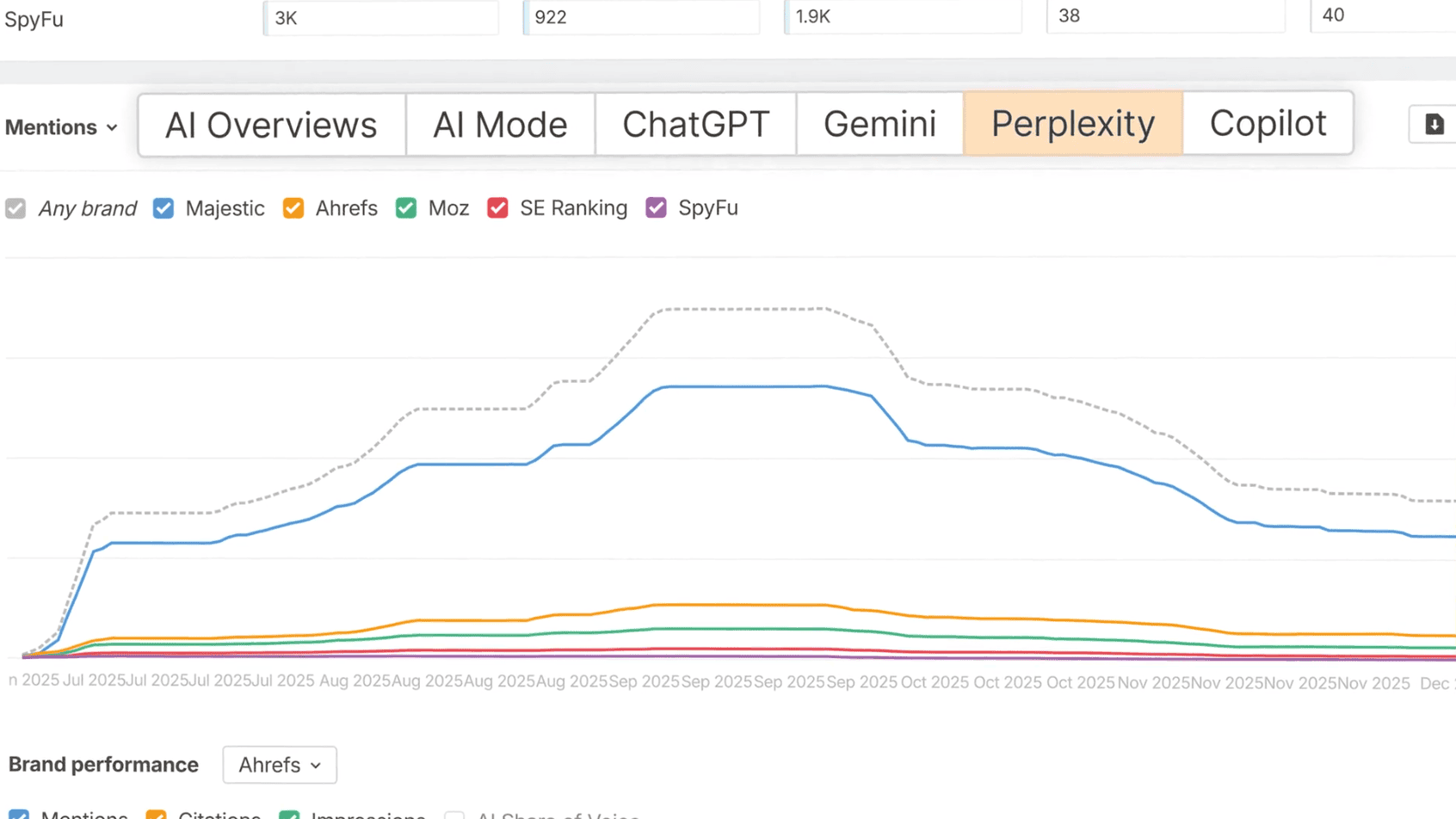
The four core metrics work like a scorecard. Mentions count how often your brand appears in AI answers. Citations show which websites and pages AI links to when discussing your category — crucial for understanding whether your content is trusted enough to be sourced by AI. Impressions weight mentions by actual search volume, so you know whether you’re visible for high-traffic questions or only niche ones. AI Share of Voice compares your visibility to competitors across your entire topic space.
Two reports feed directly into content strategy. Cited Domains reveals which websites AI trusts most in your niche — if a specific review site, documentation hub, or competitor blog keeps getting cited, that’s where you need content presence. Cited Pages shows the exact URLs AI links to, so you can identify which competitor pages are earning the recommendations your content should be getting.
The competitive filter is where content gaps become visible. Enter a competitor’s brand and Brand Radar shows every prompt where they appear and you don’t. That’s a ready-made editorial calendar of topics where your content optimization hasn’t translated into AI visibility yet — and where new or updated content could close the gap.
Brand Radar tracks trends over time, so you can measure whether optimizing and updating content actually improves your AI placement quarter over quarter. And because it’s part of the Ahrefs ecosystem, the AI visibility data sits alongside the keyword rankings, backlink profiles, and content metrics you already work with.
Available as add-ons to Ahrefs subscriptions, with individual platform indexes or a combined package.
2. Atomic AGI
Best for: Connecting AI visibility to actual traffic and conversions — seeing not just if AI mentions you, but if those mentions drive visits
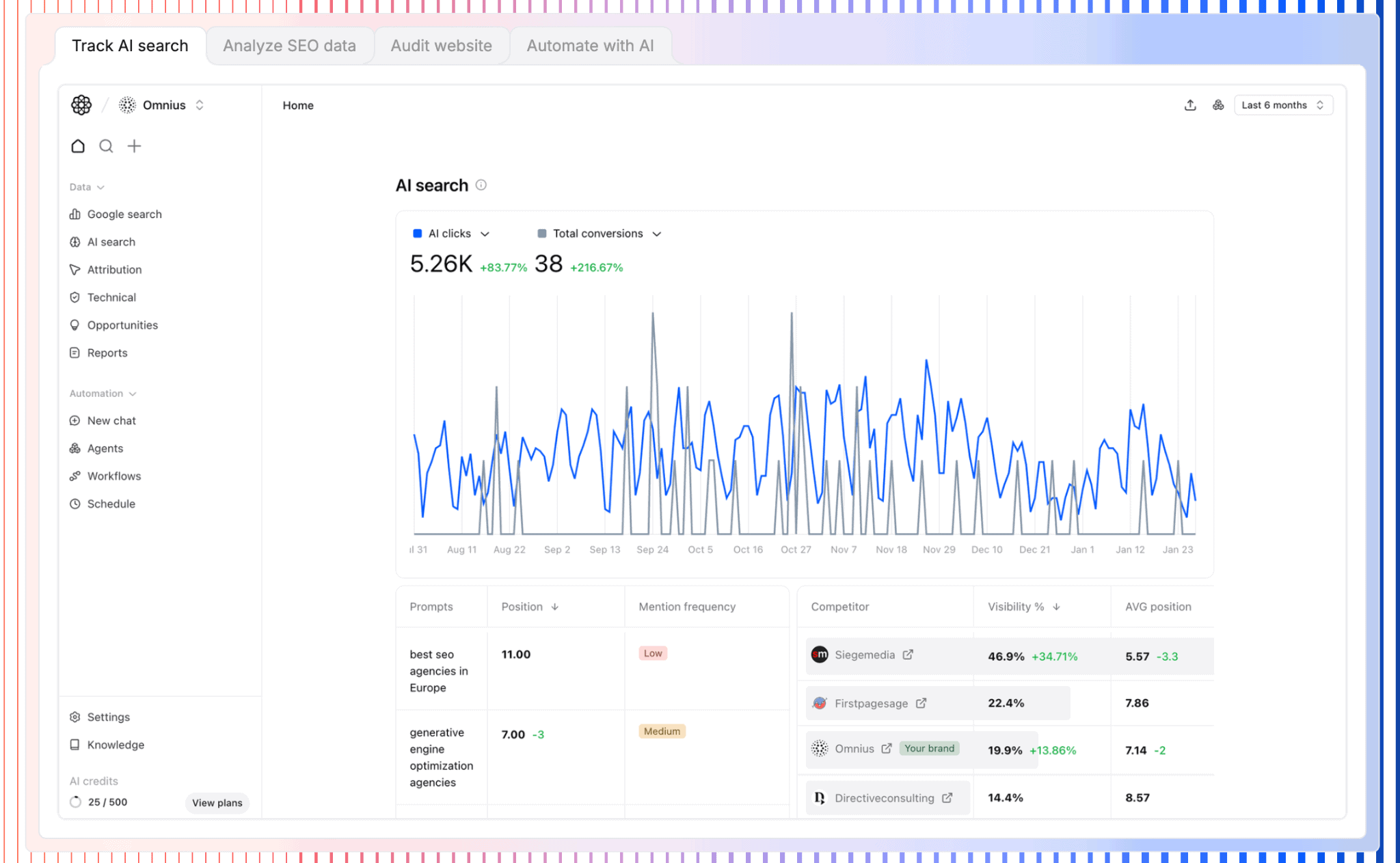
Most AI visibility tools tell you whether your brand appears in AI answers. Atomic AGI goes a step further: it connects AI visibility data to what happens after the mention — did visitors actually arrive from that AI-generated response, and what did they do on your site?
Atomic integrates with GA4 and Google Search Console to show which generative AI engines (ChatGPT, Perplexity, Gemini, Claude, Copilot, and others) drive traffic to your website, complete with visitor volume, conversions, and average session time per platform. For content teams, this closes a gap that pure monitoring tools leave open. You don’t just know that ChatGPT mentioned your brand — you see whether that mention generated clicks, how those visitors behaved, and whether they converted.
The platform also tracks which of your pages show up in AI-generated answers, how often your brand is mentioned, and what sources are driving your visibility. An AI SEO Audit module evaluates how well your content is structured for LLM comprehension, analyzing entity trust signals, content structure, and page-level performance — useful feedback for content creators who want to understand why some optimized pages get cited by AI and others don’t.
Atomic also includes technical SEO audits, rapid URL indexing, and AI agents that automate reporting and anomaly detection. The unified dashboard means AI visibility sits alongside traditional SEO data, so you’re not switching between tools to understand the full picture.
Setup takes minutes — connect your data sources and the dashboard populates. Paid plans unlock the full AI visibility and attribution features.
3. BrandMentions
Best for: Monitoring the web mentions and discussions that eventually feed into AI recommendations
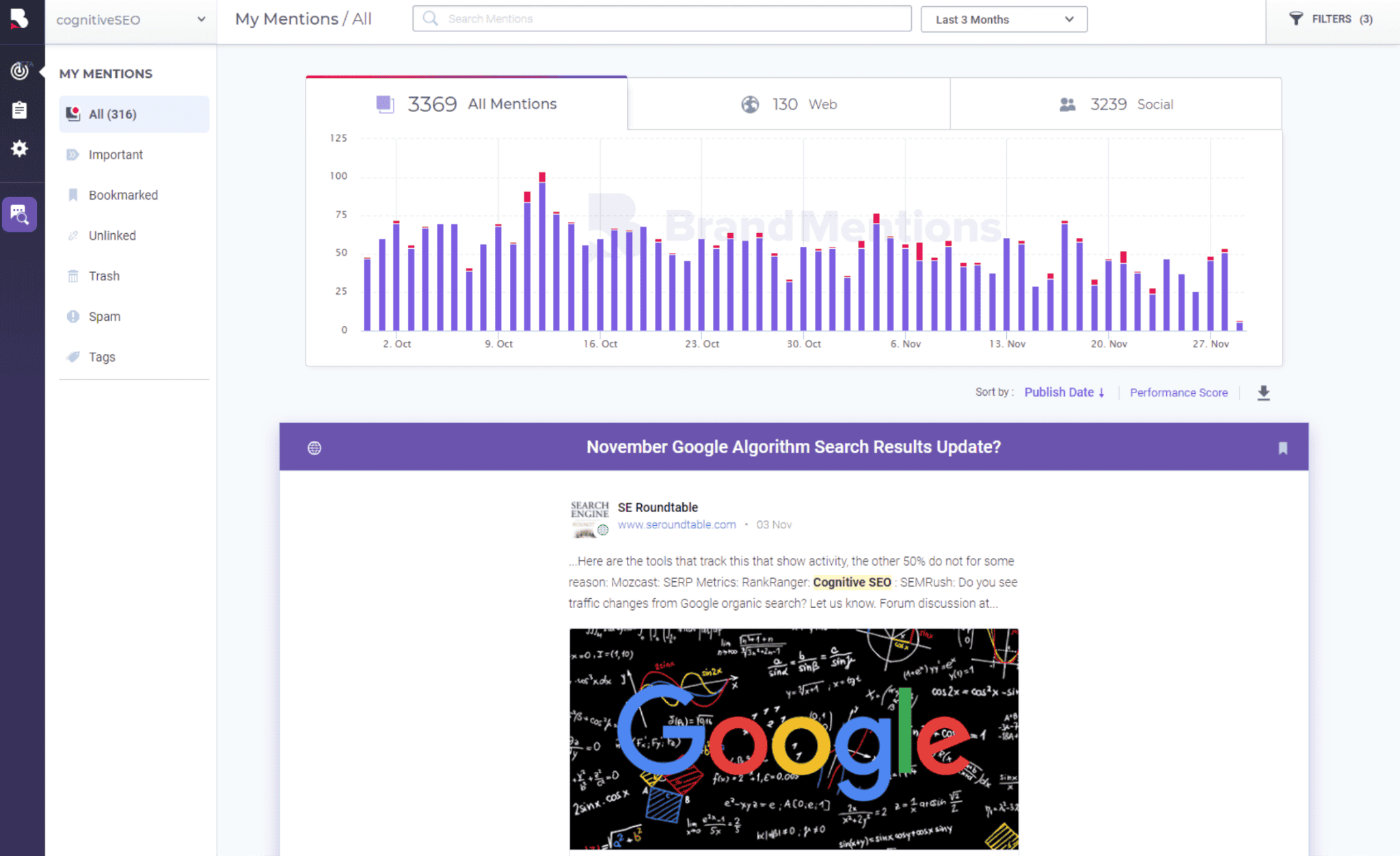
BrandMentions monitors every corner of the internet — social media, blogs, forums, news sites, review platforms — for mentions of your brand, product, or keywords. It catches signals faster than Google’s own index in many cases, which matters because AI models draw from exactly these sources when forming their answers.
For content teams, BrandMentions isn’t an AI visibility tool in the direct sense — it doesn’t track whether ChatGPT mentions you. Instead, it monitors the upstream layer: the web mentions, reviews, forum discussions, and comparison posts that AI models absorb and echo back as recommendations. When someone writes a detailed Reddit thread comparing tools in your category or a blogger reviews your product, BrandMentions catches it in real time. That mention might become an AI citation weeks later.
The platform also includes sentiment analysis and competitive monitoring, so you can track how the broader web conversation around your brand compares to competitors — a leading indicator of how AI will eventually position you. It works best as an early warning layer alongside a dedicated AI visibility tool like Brand Radar or Atomic AGI.
4. Otterly.AI
Best for: Checking specific queries you’ve optimized for — a quick “did AI notice my content?” test
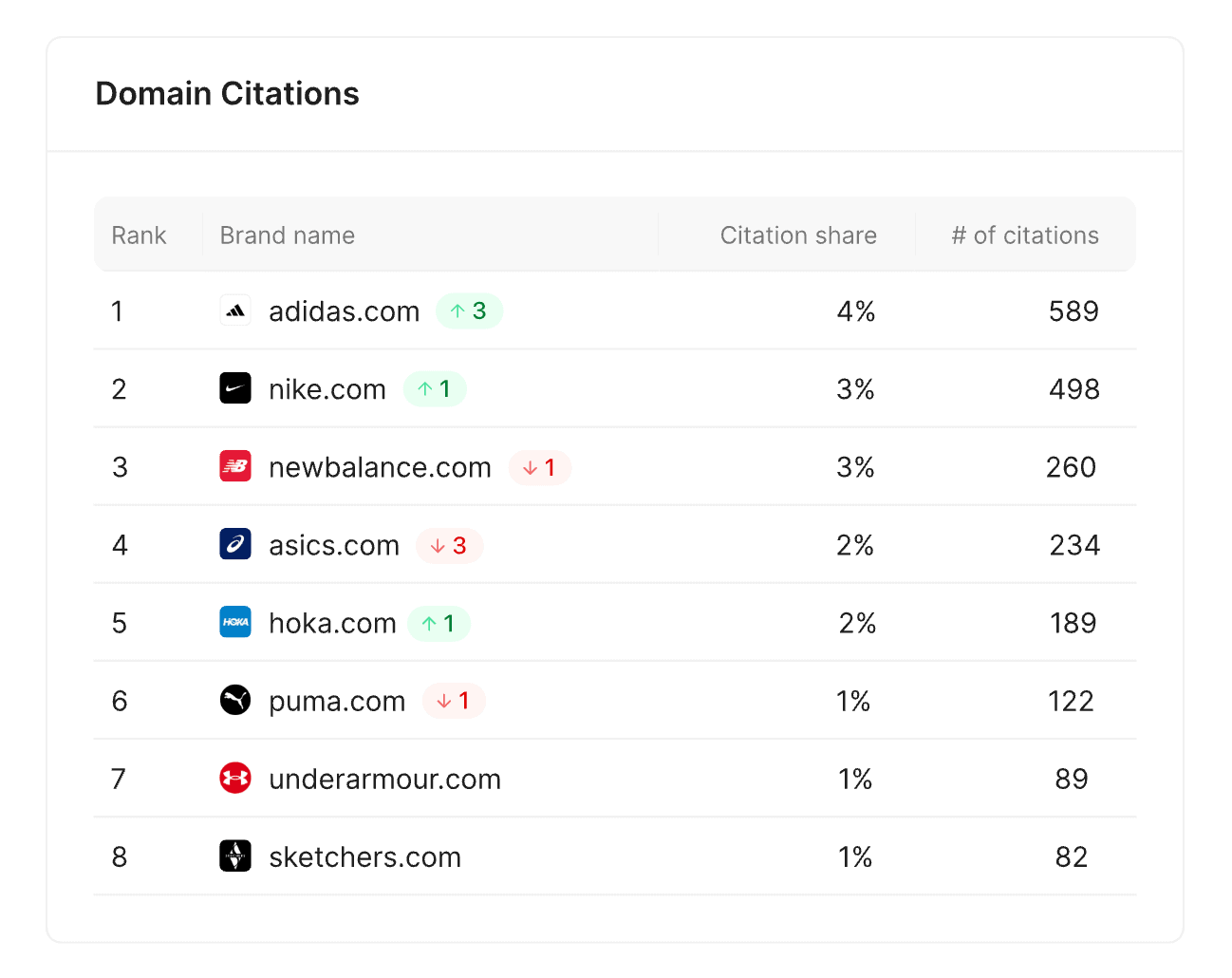
Otterly tracks brand mentions and website citations across Google AI Overviews, ChatGPT, Perplexity, AI Mode, Gemini, and Copilot. It’s prompt-based: you add the queries you care about and the platform monitors whether your brand appears in AI answers for each one.
For content creators, the workflow is intuitive. You’ve just optimized and published an article targeting “how to build a content calendar.” Add that query to Otterly and track whether AI assistants start citing your page or mentioning your brand in their answers. Over time, you build a watchlist of your most important keywords and see which ones have AI visibility and which don’t.
The Lite tier starts at $29/month for 15 prompts — enough to monitor your top-priority content pieces. The GEO audit feature adds a useful diagnostic: it checks technical factors like schema markup, content structure, and crawl accessibility that affect whether AI can find and use your content.
The trade-off: you only see results for prompts you’ve manually added. Brand Radar’s broader approach catches queries you didn’t think to check, which is why the two tools work well together.
5. Writesonic GEO
Best for: Content teams that want AI visibility tracking combined with AI-specific content optimization recommendations
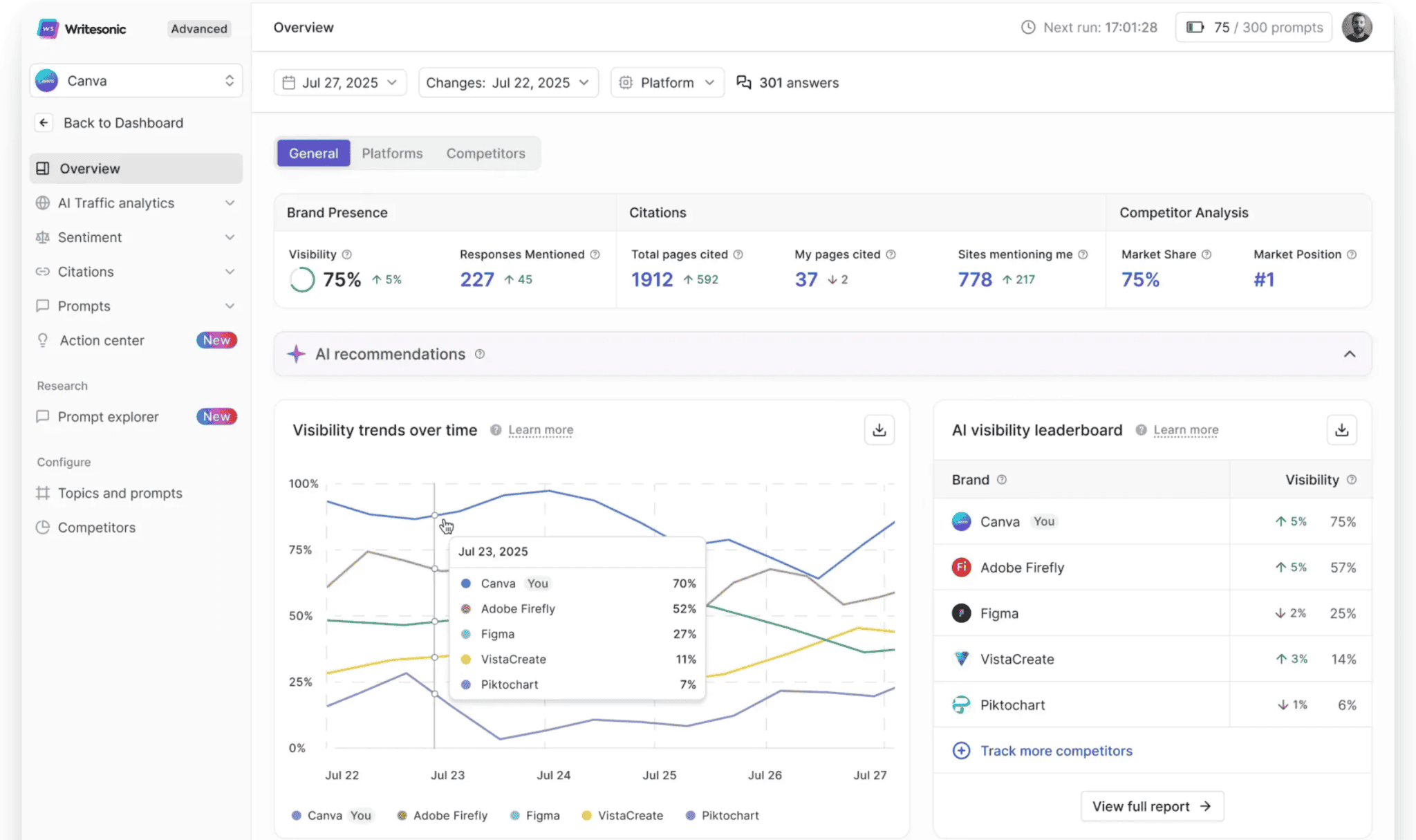
Writesonic GEO tracks brand mentions across ChatGPT, Google Gemini, and Claude, and provides competitor benchmarking and sentiment analysis. But what makes it relevant for content-focused teams is the optimization side: it includes an AI Article Writer, content auditing tools, and specific recommendations for improving how AI platforms interpret and cite your content.
The Action Center identifies specific tasks — citation opportunities, technical fixes, missing prompts where competitors appear — and surfaces them as actionable items rather than raw data. For content teams that want to move from “we’re not showing up in AI answers” to “here’s what to change,” that action-oriented approach saves time.
The AI Search Tracking covers ChatGPT, Perplexity, Google AI Overviews, Gemini, Claude, and Copilot. SEO Site Audit analyzes pages for both traditional SEO and GEO issues, and the platform integrates with WordPress, Google Search Console, and Google Analytics.
The feedback loop that matters now
Content optimization doesn’t end at the SERP anymore. The work you do to research, structure, and optimize content determines whether it ranks — but a different set of signals determines whether AI assistants trust it enough to cite and recommend.
These tools close the gap between “my content ranks” and “AI actually uses my content.” Start with Ahrefs Brand Radar for the broadest view of where your brand stands across AI platforms, add Atomic AGI to connect AI mentions to actual traffic and conversions, then use prompt-level tools to monitor the specific queries you’ve optimized for in NEURONwriter.
The pattern you’ll find is that well-optimized, clearly structured content has a head start — but AI visibility requires its own measurement, its own strategy, and its own set of tools.
The content you optimize today determines what AI recommends tomorrow. Now you can actually see whether that’s happening.