Semantic Summary Idea: Teaching writers how to capture your brand voice is the hardest part of scaling content. In 2026, the challenge has doubled because marketing teams must now train both human freelancers and AI content generators. Without a systematic training framework, your content quickly becomes generic, eroding reader trust and brand identity. Challenge: According […]
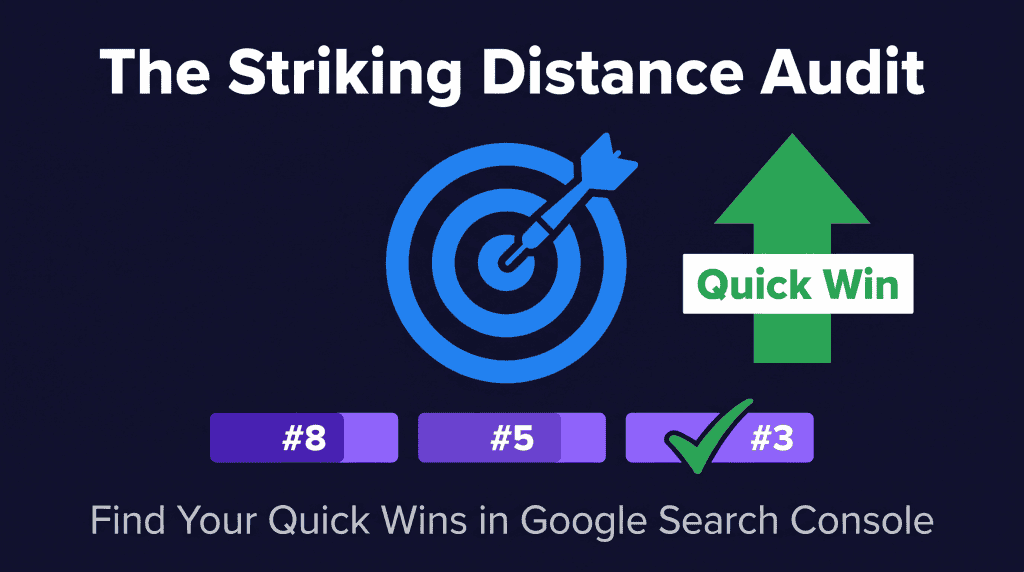
How to Find Striking Distance Keywords in GSC
Semantic summary Idea: A striking distance audit is the process of finding keywords where your website already ranks on page one or two of Google, but just outside the top three spots (usually positions 4 through 15). Because Google already considers your page relevant, making small, targeted optimizations can push these pages into the top […]
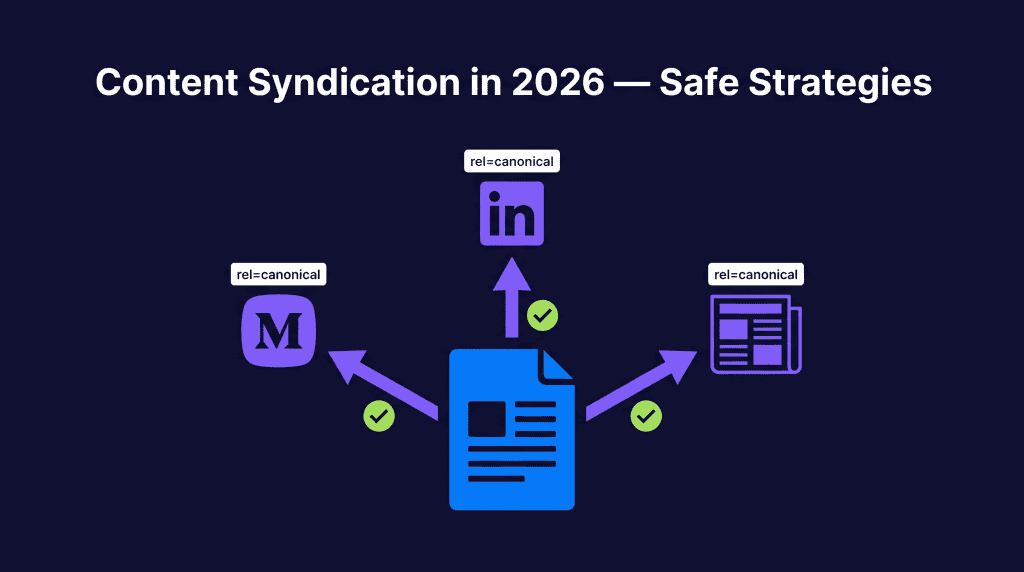
Content Syndication in 2026: Safe Strategies That Won’t Trigger Duplicate Penalties.
📍 Semantic summary Idea: Content syndication means taking an article you already wrote and publishing it again on other platforms like Medium, LinkedIn, or industry websites. It is one of the easiest ways to reach more readers without creating new content. Many marketers avoid it because they fear a so-called “duplicate content penalty.” In 2026, […]
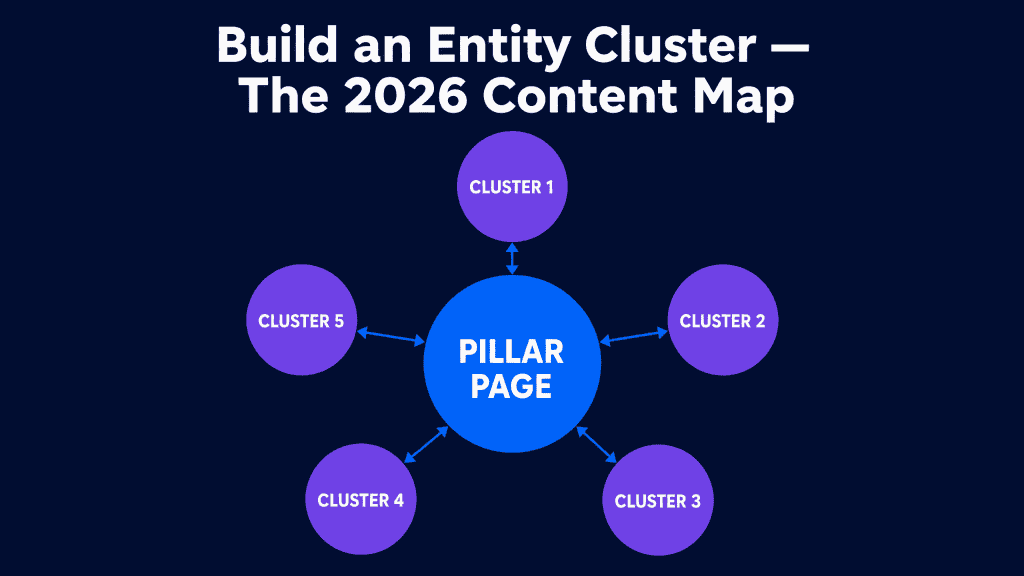
Using NEURONwriter to Map and Dominate Entity Clusters.
📍 Semantic Summary Idea: A topic cluster is an information architecture strategy that organizes a website around a central “pillar” page and multiple supporting “cluster” articles. In 2026, building a successful cluster is no longer about grouping similar keywords together. It is about mapping the relationships between distinct entities (concepts, people, products) to prove deep, […]
The Zero-Click Newsletter Strategy: Delivering Value Directly in the Inbox.
📍 Semantic Summary Idea: In 2026, the most effective email marketing strategy is the zero-click newsletter. Instead of using emails merely as a vehicle to drive traffic to a website, marketers are designing self-contained emails that deliver complete value directly within the inbox. Challenge: Marketers have traditionally relied on the “click” as the primary metric […]
SEO for Newsletters: How to Archive Email Content for Organic Traffic.
📍Semantic Summary Idea: Email newsletters are incredibly valuable, but their lifespan is ephemeral. By creating an SEO-friendly newsletter archive, publishers can transform one-time broadcasts into an evergreen content vault that continually drives organic traffic. Challenge: Simply dumping past emails onto a webpage with a generic “Issue #42” title does not work. Search engines and AI […]
Recovering from an AI Content Penalty: A Step-by-Step Guide.
📍 Semantic Summary Idea: Google’s helpful content systems target scaled content abuse — pages that synthesize information without adding original value, expertise, or depth. Challenge: Most publishers respond to an AI content penalty by trying to “humanize” their text cosmetically, changing phrasing without addressing the underlying lack of semantic density and Information Gain that triggered […]
Content Governance in 2026: How to Audit, Update, and Retire Pages at Scale.
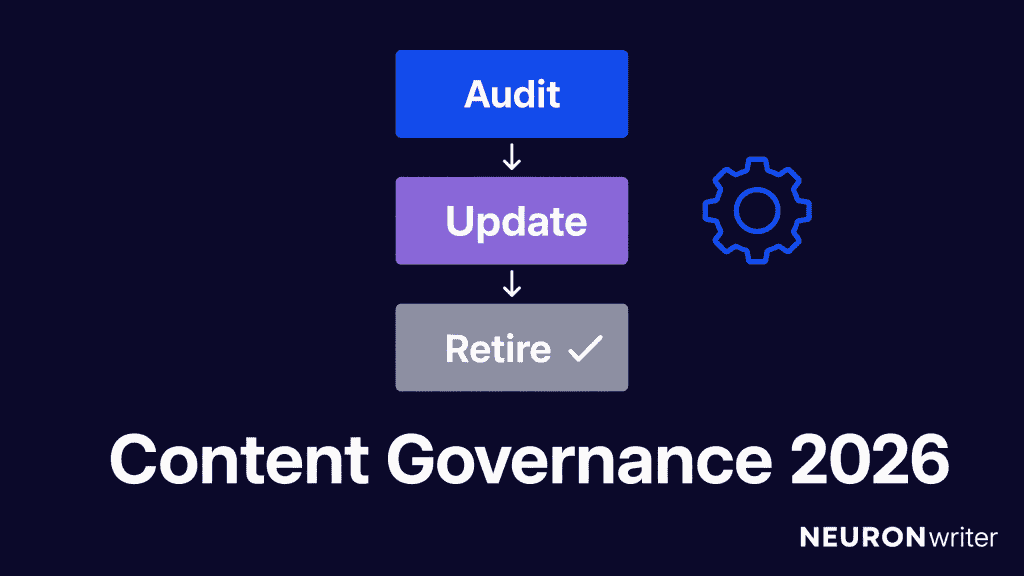
📍 Semantic Summary Idea: As AI accelerates the speed of content production, content governance is no longer an enterprise luxury it is a survival mechanism. It is the system of rules, roles, and workflows that ensures every page on your site remains accurate, on-brand, and semantically relevant. Challenge: Most marketing teams operate like content factories, […]
The Velocity Playbook: Using Google Trends for Real-Time Content Creation
📍 Semantic Summary Idea: In the era of AI Overviews and conversational search, traditional SEO based on historical keyword volume is too slow. Brands must pivot to velocity content identifying and publishing around trending entities while search demand is actively spiking. Challenge: Traditional keyword tools aggregate data over 30 to 90 days. By the time […]
Stop Writing for Traffic: The Case for Product-Led SEO
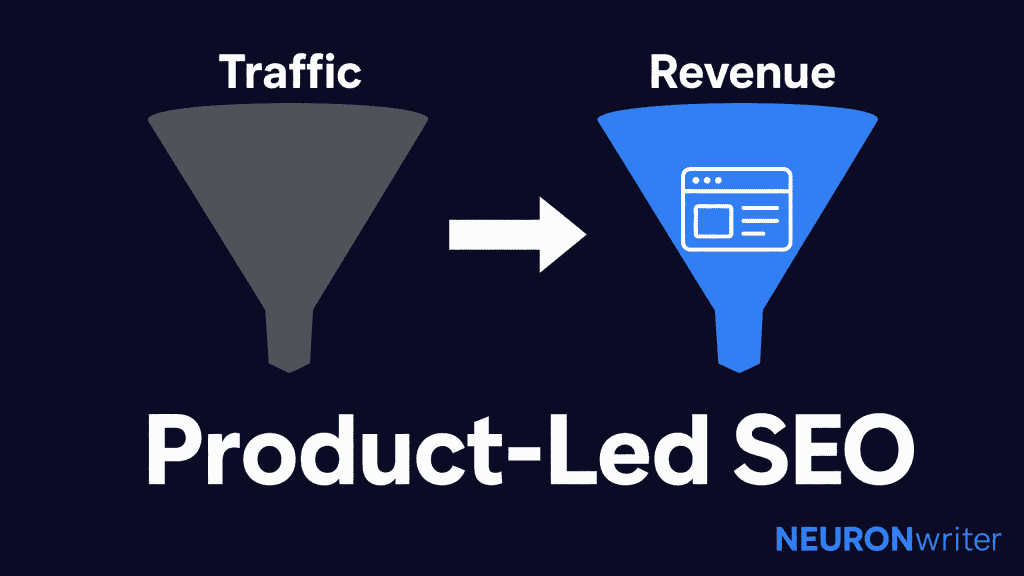
📍 Semantic Summary Idea: Traditional content marketing focuses on generating top-of-funnel traffic, often resulting in high pageviews but zero conversions. In 2026, the most successful strategy is product-led SEO, which positions your product as the direct solution to a user’s problem within the content itself. Challenge: As AI Overviews and Generative Engine Optimization (GEO) answer […]