📍 Semantic Summary Idea: For over a decade, SEO strategy was built on search volume and keyword difficulty metrics provided by third-party tools. In 2026, those metrics are fundamentally broken. Challenge: The rise of AI Overviews, conversational search queries, and zero-click search has rendered traditional keyword volume data highly inaccurate. Relying on these tools leads […]
Turning Audio into Authority: A Workflow for Podcasters in the AI Search Era.
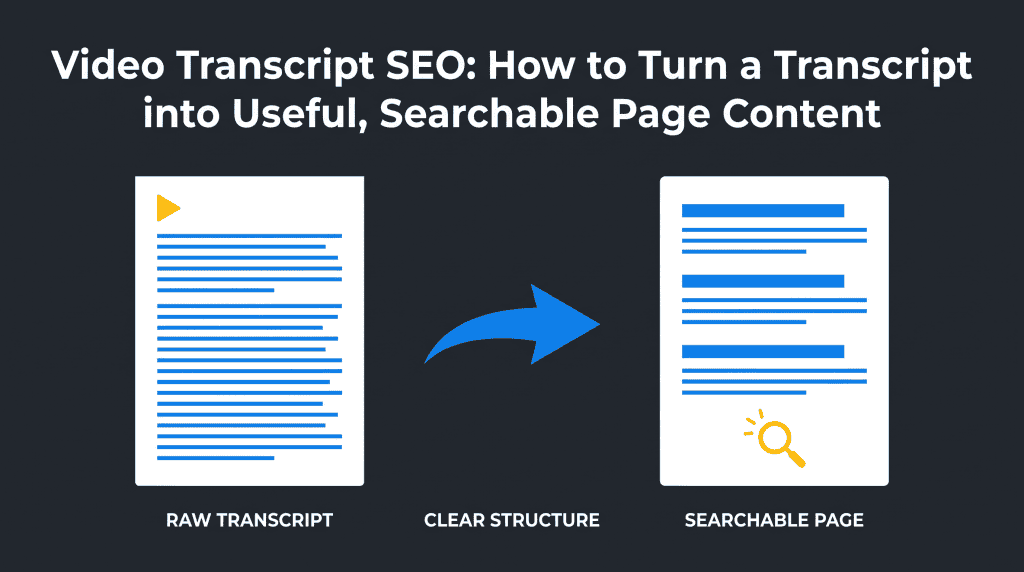
📍 Semantic Summary Idea: Podcasters sit on a goldmine of expert content, but raw audio remains largely invisible to Large Language Models (LLMs ) and search engines. To maximize reach, audio must be transformed into highly structured, semantically dense text. Challenge: Simply pasting an unedited AI transcript onto a webpage is no longer sufficient. Search […]
The “15k Token Limit”: Why Content Density Matters More Than Length for AI.
📍 Semantic Summary Idea: The era of writing 10,000-word mega-guides just to rank is over. AI models operate on strict token budgets, changing how they evaluate and cite content. Challenge: Content creators are wasting resources writing long, fluffy articles. AI engines like ChatGPT and Google’s AI Overviews ignore lengthy content if it lacks a high […]
How to Prepare Your E-commerce Site for AI Shopping Agents in 2026.
📍 Semantic Summary Idea: AI shopping agents are shifting e-commerce from a human-browsing model to an autonomous, machine-to-machine transaction experience — your customers are already buying without visiting your site. Challenge: Traditional SEO was built for humans who click links and browse pages. AI agents skip all of that. They need structured product data, real-time […]
The Difference Between SEO, GEO, and AEO: A 2026 Glossary.
For years, the digital marketing industry relied on a single, universally understood acronym: SEO. Today, as we navigate the complexities of 2026, a new alphabet soup has emerged. SEO, GEO, and AEO are frequently thrown around in strategy meetings, often interchangeably. This confusion leads to wasted budgets, misaligned content strategies, and ultimately, lost revenue. Understanding […]
NEURONwriter vs. Writesonic: Which Platform Actually Builds Topical Authority.
📍 Semantic Summary •Idea: Not all AI writing tools are built the same; some generate words, while others optimize for search rankings. •Challenge: Content teams often struggle to choose between tools that offer rapid bulk generation and those that provide deep semantic SEO analysis. •Summary: NEURONwriter is the superior choice for serious SEO professionals because […]
CRO Meets SEO: How to Optimize for Both Conversions and Rankings in 2026
For years, SEO and CRO operated as two separate worlds. Some drove traffic, others tried to squeeze clicks from it. This division no longer works. This kind of thinking is starting to really weigh on your business. Why? Because with the development of AI Overviews and the AEO (Agent Engine Optimization) approach, search engines have […]
First-Party Data & Content Strategy: How to Build SEO That AI Cannot Copy.
To build an SEO strategy that AI cannot copy, you must base your content on first-party and zero-party data rather than publicly available informatio. When AI models can instantly summarize any public fact, your only competitive moat is proprietary data that no one else has access to. For years, the standard SEO playbook involved looking […]
Podcast SEO: How to Get Your Episodes Ranked on Google
To rank a podcast episode on Google in 2026, you must publish a dedicated webpage for each episode that includes a full transcript, structured JSON-LD schema markup, and a keyword-optimized title. Hosting your audio solely on platforms like Spotify or Apple Podcasts limits your visibility in traditional search engines and AI overviews. For years, podcasters […]
What is WebMCP? The New Protocol for AI-Optimized SEO in 2026.
For years, Search Engine Optimization (SEO) has been about making content understandable to search engines. We added structured data, optimized meta tags, and refined our semantic hierarchies. But as we move deeper into 2026, the paradigm is shifting from informational search to transactional action. This shift is being driven by a new web standard called […]