
Video SEO vs. Blog Content: A Strategic Guide.

For years, content marketers have debated the merits of video versus blog content. Which format drives more traffic? Which builds more trust? Which delivers a better ROI? In 2026, this debate is no longer about choosing one over the other. The most successful content strategies don’t treat video and blogs as competitors, but as two essential components of a single, integrated ecosystem. This guide will explore the unique strengths of each format and provide a strategic framework for combining them to achieve maximum impact.
When Video Outperforms Blog Content
Video content excels in areas where written content often falls short. It’s a powerful medium for capturing attention, building trust, and creating a loyal audience.
Building Trust and Authority.
Video allows you to connect with your audience on a personal level. When viewers can see and hear you, they are more likely to trust your expertise and feel a connection to your brand. This is especially true in the B2B space, where trust is a critical factor in the buying process. As one marketer noted, prospects who have watched video content are already sold on the brand’s expertise before the first sales call
Capturing Full Attention.
While blog readers often skim headlines and read only a few select paragraphs, video viewers are more likely to watch the entire piece of content. This means you have a greater opportunity to deliver your full message and ensure that your key points are not missed. Data shows that visitors from YouTube spend, on average, twice as long on a website compared to visitors from organic search, indicating a much deeper level of engagement
Creating Subscribers and Followers.
When a visitor finds your blog through a Google search, there’s a high probability they will leave and never return. With video, however, you have the opportunity to convert that viewer into a YouTube subscriber. This creates a direct line of communication and allows you to nurture that lead over time through your video content. This “organic social media retargeting” is a powerful way to build a loyal audience without relying on paid ads.
When Blog Content Still Wins.
Despite the rise of video, blog content remains a cornerstone of any successful SEO strategy. It offers unique advantages that video cannot replicate.
SEO and Discoverability.
Search engines are still better at crawling and understanding text than video. A well-optimized blog post is more likely to rank for a wide range of keywords than a video. Blog content also provides more opportunities for internal linking, which is a crucial factor in building topical authority and improving your site’s overall SEO performance.
Accessibility and Skimmability.
Not everyone has the time or inclination to watch a 10-minute video. Blog content is more accessible to a wider audience, as it can be skimmed, searched, and consumed at the reader’s own pace. This is especially important for technical or detailed content, where readers may need to refer back to specific sections.
Reference and Evergreen Value.
Blog posts serve as a valuable, long-term resource for your audience. They can be easily updated, shared, and referenced for years to come. This evergreen value is harder to achieve with video, which can quickly become outdated.
The Integrated Strategy: Best of Both Worlds.
The most effective content strategy in 2026 is not video-first or blog-first, but an integrated approach that leverages the strengths of both formats. Here’s how to create a symbiotic relationship between your video and blog content:
The Video-to-Blog Workflow
Start by creating a high-value video. This could be a tutorial, an interview with an expert, or a deep dive into a specific topic. Once the video is complete, use it as the foundation for a detailed blog post. This workflow has several advantages:
- Efficiency: One hour of video recording can yield enough content for 2-6 blog posts
- Consistency: Ensures that your messaging is consistent across all channels.
- Repurposing: The video can be embedded in the blog post, shared on social media, and transcribed for even more content.
The Blog-to-Video Workflow.
Alternatively, you can start with a successful blog post and turn it into a video. This is a great way to breathe new life into your existing content and reach a new audience. Look for blog posts with high traffic and engagement, and use them as a script for a new video.
Cross-Promotion and Embedding.
Always embed your YouTube videos directly into your blog posts. This not only improves the engagement on your blog but also drives traffic to your YouTube channel. Similarly, include links to your blog posts in your YouTube video descriptions to create a seamless user journey between the two platforms.
How NEURONwriter Supports an Integrated Strategy.
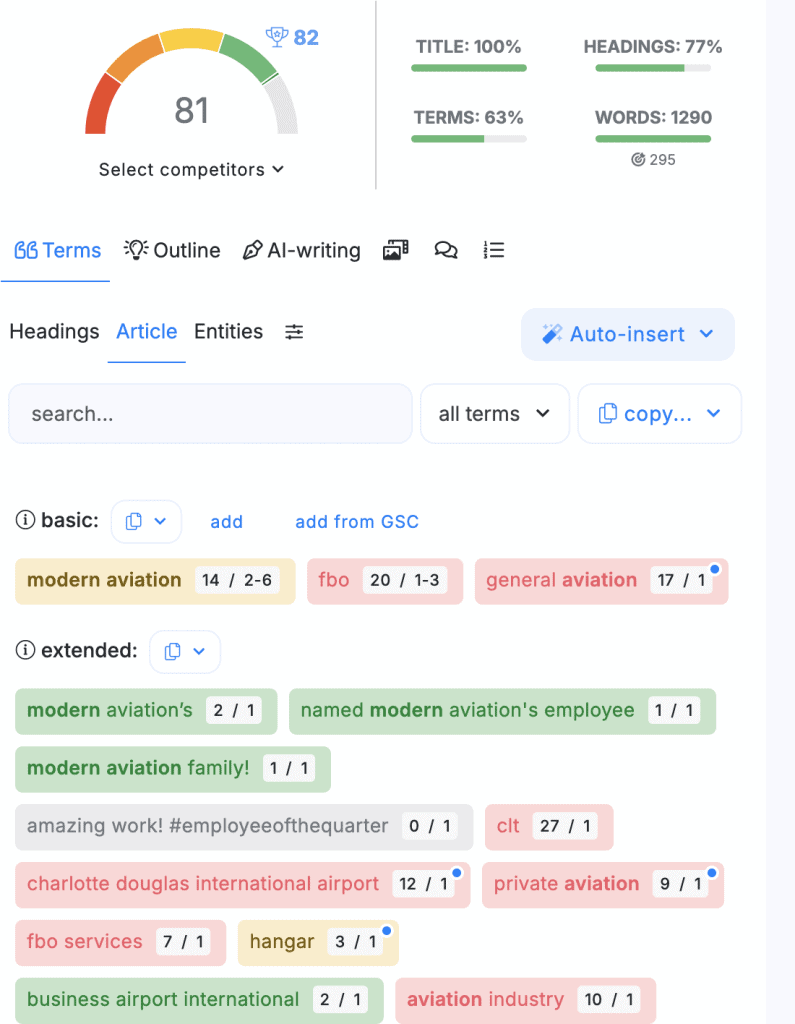
NEURONwriter is the ideal platform for executing an integrated video and blog content strategy. It provides all the tools you need to create, optimize, and manage both types of content in one place.
- YouTube Ideas: Generate high-potential video topics based on keyword analysis and competitor research.
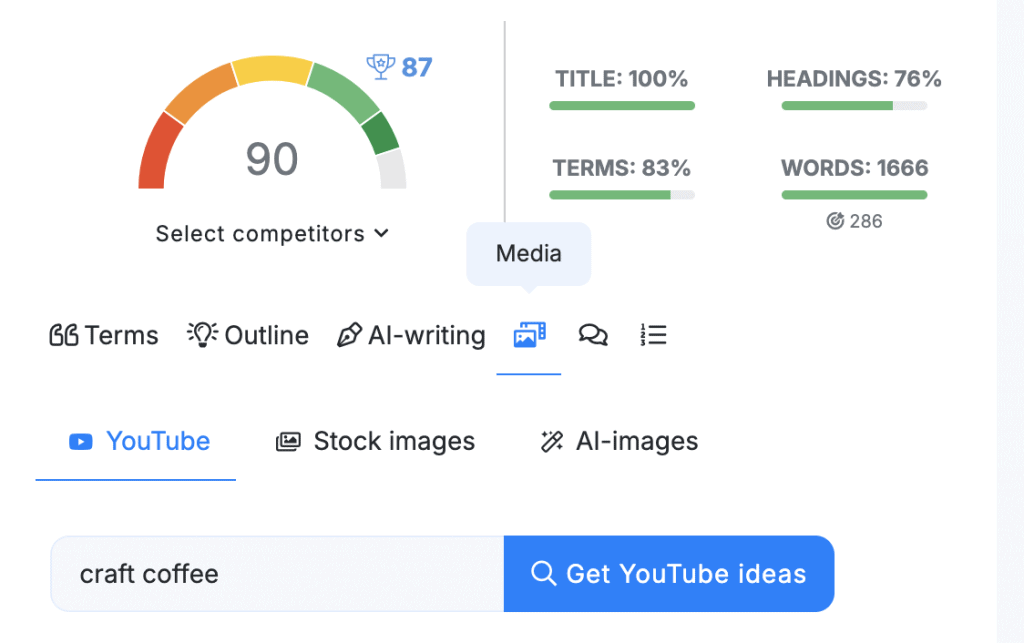
- Content Designer: Create full video scripts and blog post drafts from a single prompt.
- Content Editor: Optimize both your video descriptions and blog content for your target keywords.
- AI Image Generation: Create custom thumbnails for your videos and featured images for your blog posts.
- WordPress Integration: Seamlessly embed your videos into your blog posts with one click.
By using NEURONwriter, you can streamline your content workflow, ensure consistency across all channels, and maximize the SEO impact of both your video and blog content. Try NEURONwriter free trial to see how it can revolutionize your content strategy.
FAQ
Q: Should I focus on video or blogs in 2026?
A: You should focus on both. The most successful content strategies in 2026 will be integrated, leveraging the unique strengths of both video and blog content.
Q: Which format is better for SEO?
A: Blog content is still more reliable for ranking in Google’s main search results, but video is essential for ranking in YouTube (the world’s second-largest search engine) and for building trust and engagement.
Q: How can I measure the ROI of my video content?
A: Track metrics like watch time, engagement rate, and click-through rate on YouTube. In Google Analytics, compare the on-site behavior of visitors from YouTube to visitors from other channels. You should see a significantly higher time on page and more pages per session from your YouTube traffic.