📍 Semantic Summary Idea: In 2026, the most effective email marketing strategy is the zero-click newsletter. Instead of using emails merely as a vehicle to drive traffic to a website, marketers are designing self-contained emails that deliver complete value directly within the inbox. Challenge: Marketers have traditionally relied on the “click” as the primary metric […]

SEO for Newsletters: How to Archive Email Content for Organic Traffic.
📍Semantic Summary Idea: Email newsletters are incredibly valuable, but their lifespan is ephemeral. By creating an SEO-friendly newsletter archive, publishers can transform one-time broadcasts into an evergreen content vault that continually drives organic traffic. Challenge: Simply dumping past emails onto a webpage with a generic “Issue #42” title does not work. Search engines and AI […]
Recovering from an AI Content Penalty: A Step-by-Step Guide.
📍 Semantic Summary Idea: Google’s helpful content systems target scaled content abuse — pages that synthesize information without adding original value, expertise, or depth. Challenge: Most publishers respond to an AI content penalty by trying to “humanize” their text cosmetically, changing phrasing without addressing the underlying lack of semantic density and Information Gain that triggered […]
Content Governance in 2026: How to Audit, Update, and Retire Pages at Scale.
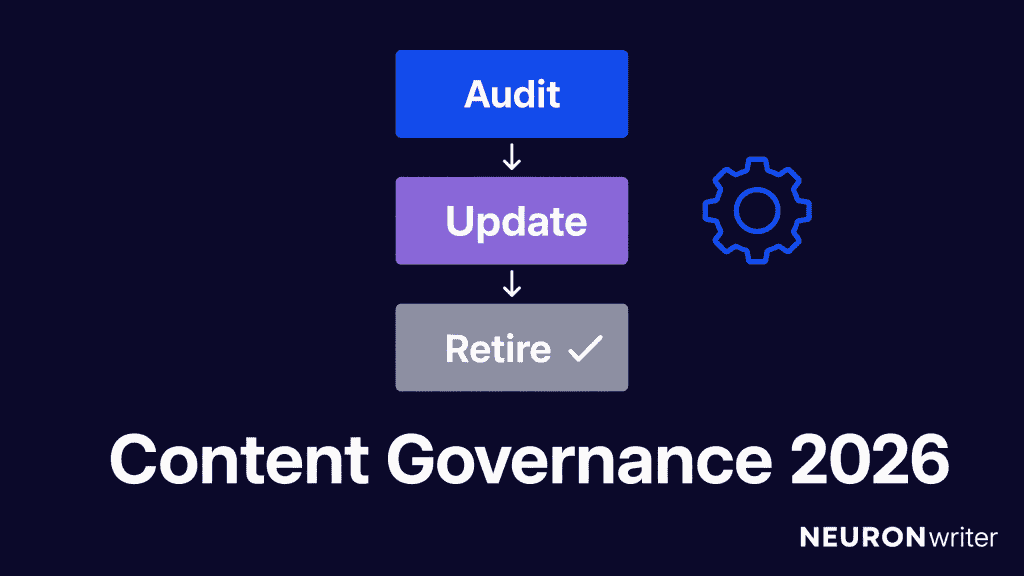
📍 Semantic Summary Idea: As AI accelerates the speed of content production, content governance is no longer an enterprise luxury it is a survival mechanism. It is the system of rules, roles, and workflows that ensures every page on your site remains accurate, on-brand, and semantically relevant. Challenge: Most marketing teams operate like content factories, […]
The Velocity Playbook: Using Google Trends for Real-Time Content Creation
📍 Semantic Summary Idea: In the era of AI Overviews and conversational search, traditional SEO based on historical keyword volume is too slow. Brands must pivot to velocity content identifying and publishing around trending entities while search demand is actively spiking. Challenge: Traditional keyword tools aggregate data over 30 to 90 days. By the time […]
Stop Writing for Traffic: The Case for Product-Led SEO
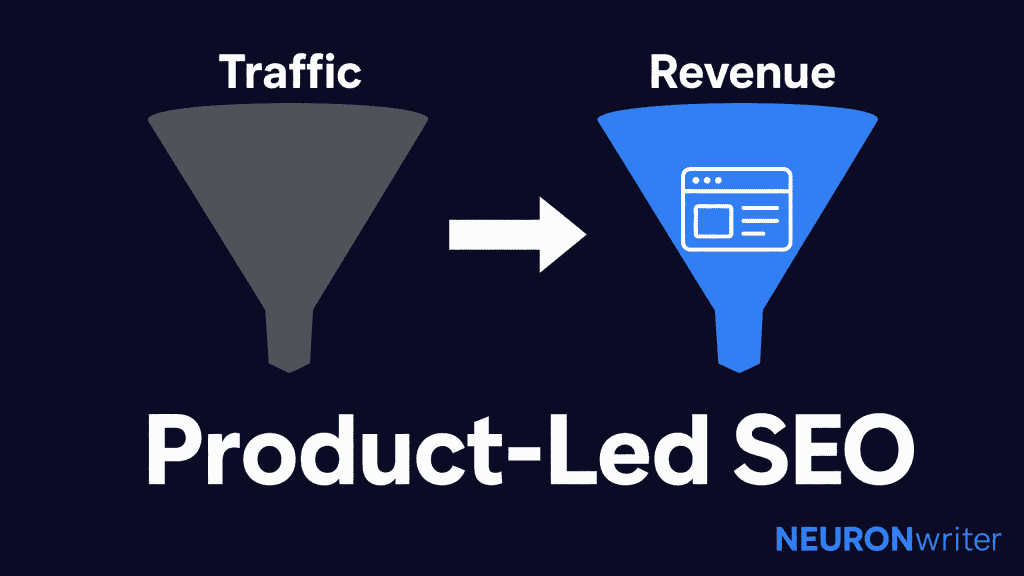
📍 Semantic Summary Idea: Traditional content marketing focuses on generating top-of-funnel traffic, often resulting in high pageviews but zero conversions. In 2026, the most successful strategy is product-led SEO, which positions your product as the direct solution to a user’s problem within the content itself. Challenge: As AI Overviews and Generative Engine Optimization (GEO) answer […]
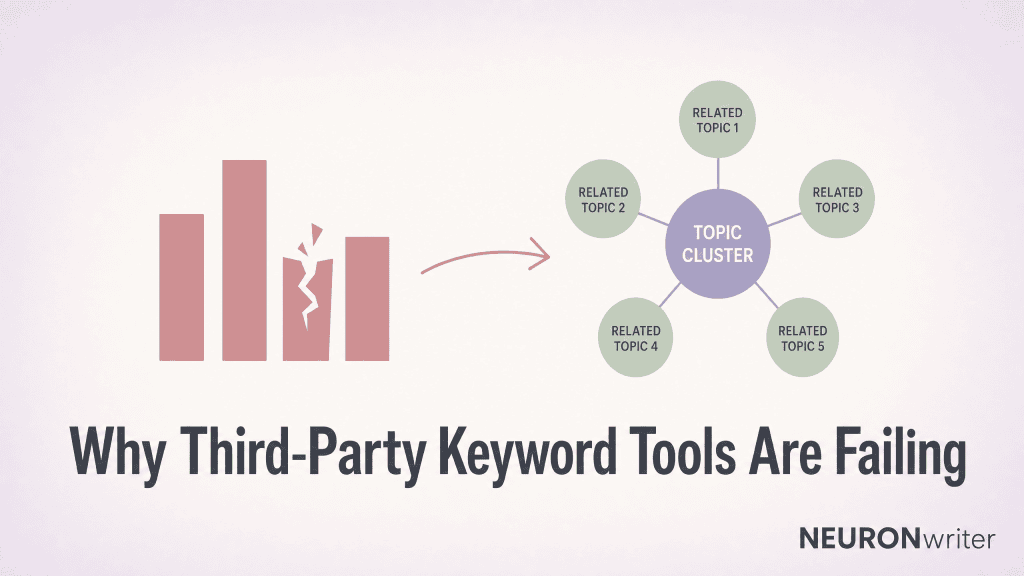
Why Third-Party Keyword Tools Are Failing (And What to Do Instead ).
📍 Semantic Summary Idea: For over a decade, SEO strategy was built on search volume and keyword difficulty metrics provided by third-party tools. In 2026, those metrics are fundamentally broken. Challenge: The rise of AI Overviews, conversational search queries, and zero-click search has rendered traditional keyword volume data highly inaccurate. Relying on these tools leads […]
First-Party Data & Content Strategy: How to Build SEO That AI Cannot Copy.
To build an SEO strategy that AI cannot copy, you must base your content on first-party and zero-party data rather than publicly available informatio. When AI models can instantly summarize any public fact, your only competitive moat is proprietary data that no one else has access to. For years, the standard SEO playbook involved looking […]
The End of Commodity Content: Why ‘High-Friction’ SEO is the Only Way to Win in 2026.
For the past decade, the content marketing playbook was remarkably predictable: find a high-volume keyword, analyze the top ten ranking pages, synthesize their main points, and publish a slightly longer, better-formatted version. This strategy, often referred to as the “Skyscraper Technique,” fueled massive traffic growth for countless brands. It was efficient, scalable, and entirely focused […]
Beyond AI Detection: How to Humanize AI Content for Google’s 2026 Standards.
For years, the SEO industry was obsessed with a single question: “Will this pass an AI detector?” Marketers scrambled to use spinning tools, synonym replacements, and prompt engineering tricks to trick detection algorithms into labeling their text as “100% Human.” In 2026, that question is fundamentally obsolete. Google’s position has remained consistent, but the baseline […]