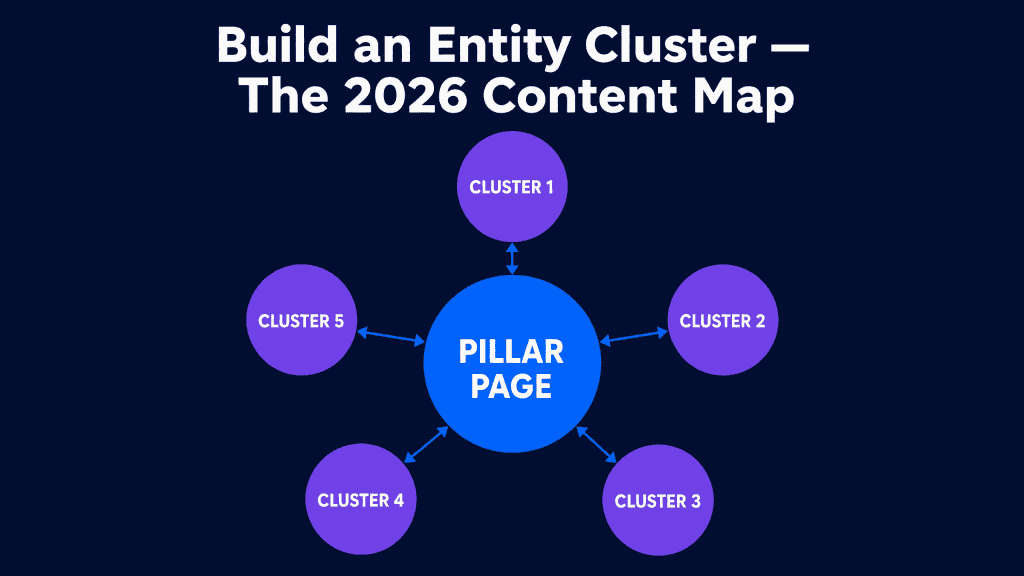
📍 Semantic Summary Idea: A topic cluster is an information architecture strategy that organizes a website around a central “pillar” page and multiple supporting “cluster” articles. In 2026, building a successful cluster is no longer about grouping similar keywords together. It is about mapping the relationships between distinct entities (concepts, people, products) to prove deep, […]
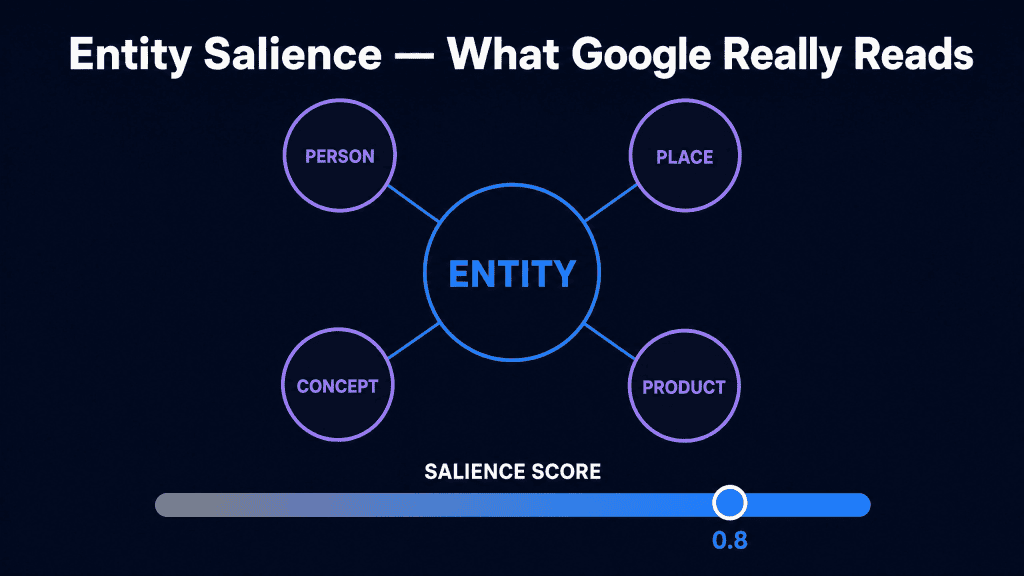
Entity Salience: How Google Determines What Your Page is Really About.
📍 Semantic Summary Idea: Search engines no longer rely on counting how many times a word appears on a page to understand its topic. Instead, they use Natural Language Processing (NLP) to identify “entities” — specific people, places, concepts, or things — and measure their “salience,” which is how central those entities are to the […]
6 Best Tools for an AI-Powered Content Operations Stack in 2026
Content teams no longer struggle to generate enough words. Their harder problem is coordinating research, briefs, AI agents, writers, approvals, publishing and performance data without creating a maze of disconnected systems. The best content operations tools solve distinct parts of that problem. One platform may guide research and optimization, another may automate handoffs and a […]
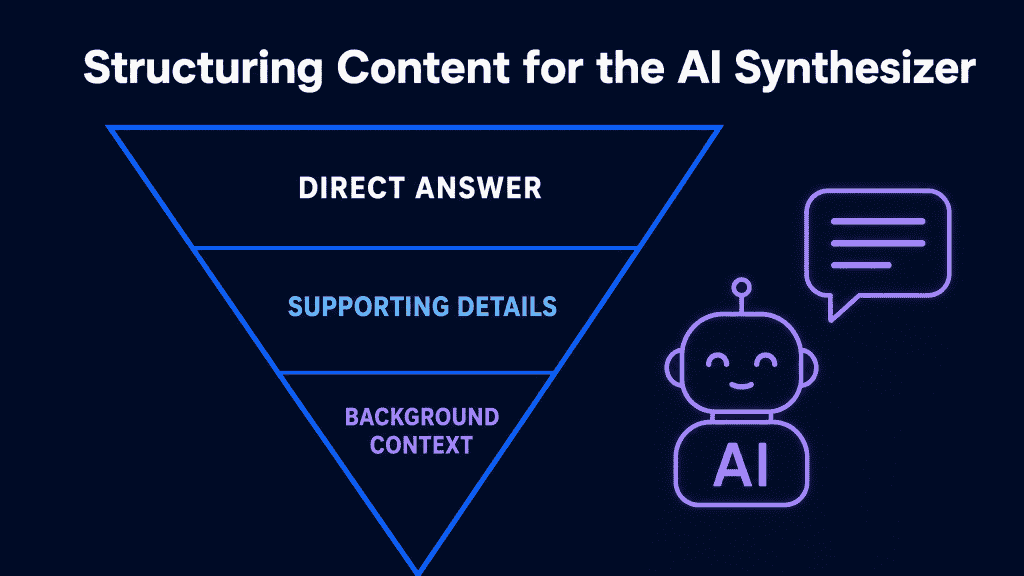
How to Write Content That AI Actually Uses.
📍 Semantic Summary Idea: AI-powered search tools like Google’s AI Overviews and ChatGPT do not browse the web the way a human does. They scan content looking for clear, self-contained answers they can pull out and use. Challenge: Most blog content is still written to keep readers on the page with long introductions, slow build-ups, […]
The Best Frase Alternative for Content Optimization
NEURONwriter is the strongest all-around Frase alternative for content optimization – it pairs a live content score with AI writing and AI-visibility tracking in one editor, at a lower price than Frase’s higher tiers. What is Frase? Frase is a content optimization and AI writing tool built around SERP research: it pulls top-ranking pages for […]
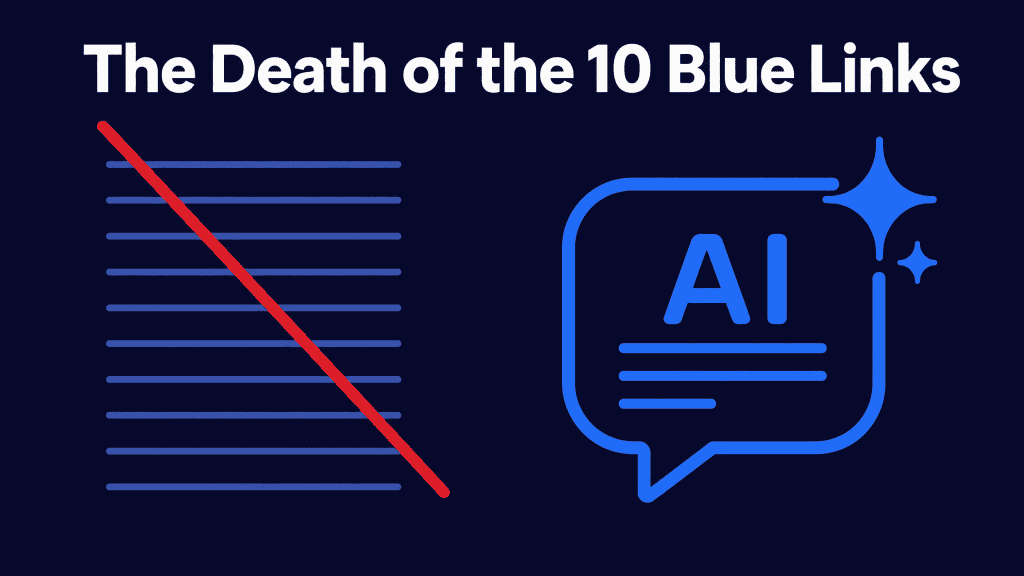
The Death of the “10 Blue Links”: Preparing for the 2027 Search Interface.
“Listen to this article” 📍 Semantic Summary Idea: For 25 years, Google Search was defined by a simple list of ten blue links. In 2026, that era officially ended. Google has transformed its search engine into an AI-first, interactive “answer engine” where links are no longer the primary focus. Challenge: As AI Overviews, interactive widgets, […]
The Zero-Click Newsletter Strategy: Delivering Value Directly in the Inbox.
📍 Semantic Summary Idea: In 2026, the most effective email marketing strategy is the zero-click newsletter. Instead of using emails merely as a vehicle to drive traffic to a website, marketers are designing self-contained emails that deliver complete value directly within the inbox. Challenge: Marketers have traditionally relied on the “click” as the primary metric […]
SEO for Newsletters: How to Archive Email Content for Organic Traffic.
📍Semantic Summary Idea: Email newsletters are incredibly valuable, but their lifespan is ephemeral. By creating an SEO-friendly newsletter archive, publishers can transform one-time broadcasts into an evergreen content vault that continually drives organic traffic. Challenge: Simply dumping past emails onto a webpage with a generic “Issue #42” title does not work. Search engines and AI […]
Recovering from an AI Content Penalty: A Step-by-Step Guide.
📍 Semantic Summary Idea: Google’s helpful content systems target scaled content abuse — pages that synthesize information without adding original value, expertise, or depth. Challenge: Most publishers respond to an AI content penalty by trying to “humanize” their text cosmetically, changing phrasing without addressing the underlying lack of semantic density and Information Gain that triggered […]
The March 2026 Core Update Aftermath: What Actually Survived?
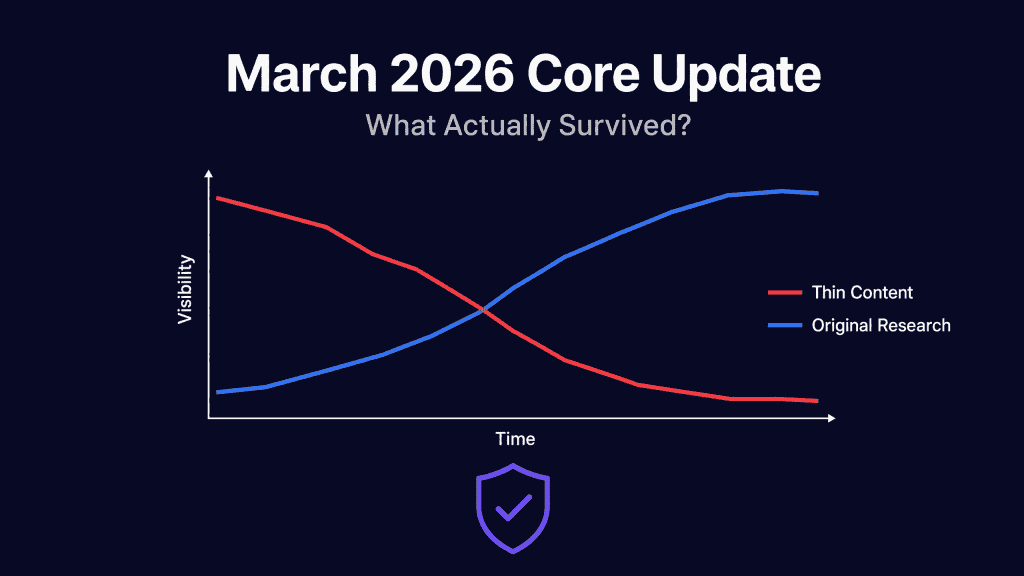
📍 Semantic Summary Idea: Google’s March 2026 Core Update was one of the most volatile algorithmic shifts of the decade, creating a stark divide between content winners and losers. Challenge: The update aggressively targeted aggregators, thin affiliate content, and sites relying on keyword-swapped templates. Platforms that merely host or syndicate other people’s content saw massive […]